The Promotion Was the Easy Part — Stepping Into the Role Was the Real Work

Marcus had been working toward this moment for twelve years.
He was brilliant at execution — the kind of leader who could walk into a chaotic situation and bring order within weeks. His team delivered. His numbers were impeccable. When the regional MD role finally came through, nobody was surprised. He had earned it.
Six months later, he called me.
"I feel like a fraud," he said. "Everyone in the room has more context than I do. I keep waiting to feel like I belong here."
Marcus is not unusual. In my coaching practice, I work with senior leaders across Asia who have arrived at the top — and find themselves quietly undone by it.
The promotion was the easy part. Stepping into the role is the real work.
Why the Most Capable People Struggle Most
There is a particular irony in leadership transitions: the more capable you are, the harder the step up can feel.
High performers are used to knowing. They've built their credibility on expertise, on being the person with the answer, on delivering results with precision. They are promoted because they are excellent at a specific version of leadership.
And then the role changes — and the old version of excellent no longer fits.
At a certain level, you stop being the person who solves problems and become the person who creates the conditions for others to solve them. You stop being the expert and become the architect of expertise. You stop being valued for what you know and start being valued for what you enable others to know.
That is not a small shift. It is an identity shift. And most organisations do almost nothing to prepare leaders for it.
The Three Things Nobody Tells You
In my work coaching leaders through significant role transitions, I've observed three things that consistently catch even the most experienced people off guard:
1. Your old toolkit will slow you down.
The behaviours that made you successful at the previous level — diving into the detail, staying close to the work, being the one who knows most — become liabilities at the next level. Not because they're bad habits, but because they crowd out the new behaviours the role requires: strategic thinking, stakeholder navigation, influencing without authority, building culture.
Marcus's instinct, when he felt out of his depth, was to go back to what he was good at — execution. He started getting involved in decisions his direct reports should have owned. His team felt micromanaged. He felt exhausted. Neither was the point.
2. Loneliness at the top is real — and largely unspoken.
The higher you go, the fewer people you can be honest with. You can't share doubts with your team — it erodes confidence. You can't always be transparent with your board or your peers. And so leaders at this level often carry an enormous amount alone.
One of the things I hear most often from the executives I coach is a version of: "I don't have anyone I can really talk to about this."
That isolation is not just emotionally hard. It leads to worse decisions. Leaders who can't think out loud, can't test their assumptions, can't be challenged — make more errors and take longer to course-correct.
3. The question is not "Can I do this job?" — it's "Who do I need to become to do it well?"
This is the reframe that changes everything for most of the leaders I work with.
The question "Can I do this?" keeps you focused on your current capabilities against a future standard. It's a deficit question. It produces anxiety.
The question "Who do I need to become?" is a growth question. It opens possibility. It invites intentional development rather than fearful compensation.
When I asked Marcus that question — who do you need to become to lead at this level? — he sat quietly for a moment. Then he said: "Someone who leads through others. Someone who can tolerate not knowing. Someone who thinks six months ahead, not six weeks."
That clarity became his development agenda.
What the Transition Actually Requires
Based on my coaching work with leaders navigating significant step-ups, here is what I've seen make the real difference:
Let go of the old identity deliberately. Not passively — deliberately. Name what you're leaving behind. Acknowledge what made you excellent at the previous level, and be intentional about when you're choosing to operate in that mode versus when you need to operate differently.
Build a thinking partnership. Whether that's a coach, a trusted peer outside your organisation, or a mentor — find someone you can think out loud with. The leaders who navigate transitions well are almost never doing it entirely alone.
Get curious about what you don't know. In the first six months of a new senior role, your ignorance is actually a strategic asset — if you use it. Ask questions. Seek context. Resist the temptation to prove yourself through answers; prove yourself through the quality of your listening.
Define what "good" looks like in the new role — on your own terms. Not just the KPIs. The kind of leader you want to be. The culture you want to create. The way you want your team to experience working with you. These things don't happen by accident at the executive level. They require intentional design.
Where Marcus Is Now
Eighteen months after that first call, Marcus is one of the most effective regional leaders I've had the privilege of coaching. Not because he changed who he is — but because he expanded it.
He still brings precision and drive. He's also learned to slow down in the moments that require strategic thinking. He's built a team that challenges him. He creates space for honest conversation. He's stopped trying to be the smartest person in the room and started focusing on making the room smarter.
"I finally feel like I'm in the right version of myself for this role," he told me recently.
That's what stepping up looks like, when it's done intentionally.
Are you navigating a significant leadership transition right now? If you're stepping into a bigger role — or preparing for one — and want a thinking partner to help you make that shift with intention, I'd love to have a conversation. Book a complimentary strategy call here.
Adeline Tiah is an ICF PCC Certified Executive Coach based in Asia, with 28 years of corporate leadership experience across global MNCs. She specialises in leadership transformation, high-performing teams, and culture change — and is the author of Reinvent 4.0, a guide to leading with purpose in an age of disruption.
Keep exploring
Executive Coaching for Senior LeadersRelated reading
- What Skills Will Executives Need by 2030?
The technical skills will keep changing. The durable skills are judgment under uncertainty, building trust quickly, clear communication when the right answer is not obvious, and adaptive learning speed. Here is how to build them now, not in 2030.
- Why Your Best People Are Quietly Leaving (And the Signal You're Missing)
She was your top performer. Reliable, sharp, always delivering. She also hadn't raised a single new idea in four months. Here's what that silence actually means, and why most leaders read it completely wrong.
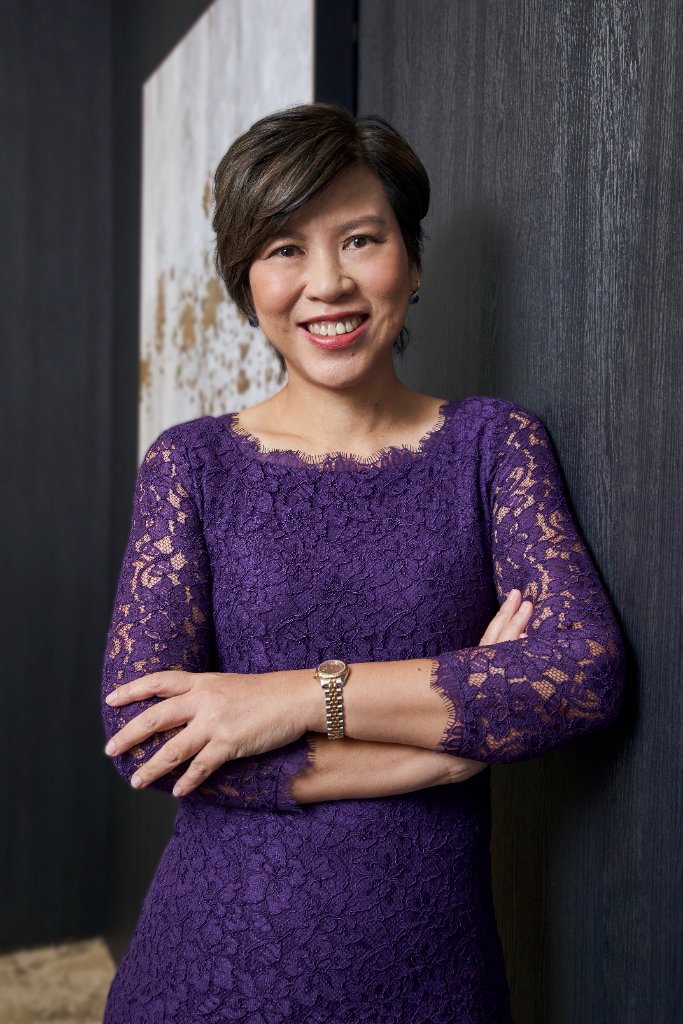
Adeline Tiah
Leadership & Team Coach | ICF PCC | Author of Reinvent 4.0